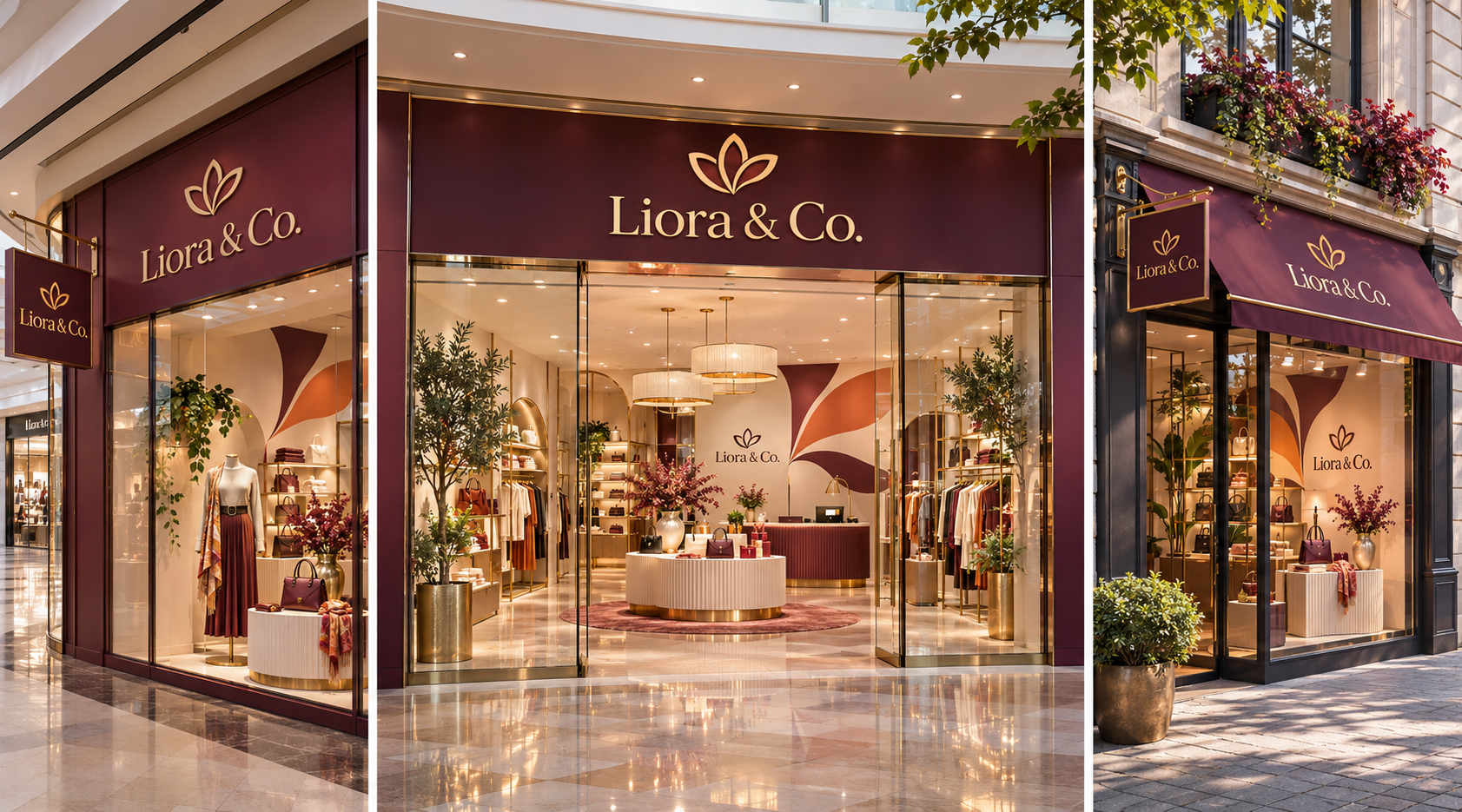
How to Plan Graphics for a Multi-Location Retail Rollout: Building a Cohesive Brand Experience
A retail rollout starts with a clear plan for how each location should look, function, and support the customer journey. We focus on the full environment, not just individual signs or wall graphics. That includes windows, entrances, fitting rooms, service counters, directional graphics, and promotional areas.
However, every store has different dimensions, surfaces, lighting, traffic patterns, and landlord rules. A graphic that fits one location may need adjustment at the next site. Therefore, we begin by defining the brand standards that must stay consistent and the details that may need local changes.
Our team reviews colors, materials, finishes, placements, scale, and installation methods before production begins. This helps us reduce variation across locations. Also, it gives field teams clear direction when they face site conditions that differ from the plan.
For environmental graphics, consistency does not mean every site looks identical. Instead, each location should feel connected to the same brand system. We use the same visual language while adapting to walls, glass, fixtures, and customer flow.
Essential Steps: Site Surveys, Permits, and Local Considerations
Site surveys give the rollout a reliable starting point. We document measurements, wall conditions, ceiling heights, windows, obstructions, power access, and customer sightlines. Then, we compare those details against the graphic plan.
Before production, we identify what needs resizing, relocation, or material changes. For example, textured walls may require different vinyl or a mounted panel. Glass conditions may also affect opacity, privacy needs, or viewing angles.
Permits and local requirements can influence timing. Some cities review window coverage, exterior signage, illuminated elements, or graphics visible from the street. In addition, malls and landlords often have their own approval process.
We help organize the details that keep work moving:
- Confirm site measurements and installation surfaces before final artwork release.
- Review landlord, city, and property rules early in the schedule.
- Match materials to wall texture, lighting, traffic, and cleaning needs.
- Plan access for crews, equipment, deliveries, and after-hours work.
- Track each location’s approvals, production status, shipping, and install date.
Local context also matters. A flagship store may need larger statement graphics, while a smaller location may rely on clear wayfinding and focused brand moments. Meanwhile, regional codes or climate can affect exterior applications and material choices.
When we gather this information early, we can reduce change orders and avoid last-minute redesigns. As a result, production teams can work from accurate files and install crews can arrive prepared.
Managing Workflow and Timelines for On-Time, On-Brand Execution
A multi-location rollout needs one workflow that everyone can follow. We set milestones for artwork, proofing, production, kitting, shipping, installation, and reporting. Next, we assign responsibilities so each step has an owner.
Clear file control helps protect the brand. We manage versions, specifications, and approvals so teams use the right art for the right site. This matters when dozens of locations have similar layouts but different measurements.
Scheduling also requires practical planning. Stores may need work before opening, after closing, or during remodel phases. Therefore, we coordinate with store managers, general contractors, facilities teams, and installers to limit disruption.
Kitting can make a rollout easier to manage. We group graphics, hardware, instructions, and location notes by store. Then, installers spend less time sorting materials and more time placing graphics correctly.
Innovative Tools and Partners for Streamlined Retail Graphics Projects
For brands preparing to launch a new collection of stores or refresh current locations, leveraging innovative tools and the right partnerships is critical to success. At Riot, we have found that collaboration with experienced fabricators, installers, and project managers ensures that every detail of your graphics rollout gets the attention it deserves. From digital project management platforms that provide real-time updates to centralized artwork proofing, implementing the right technology helps us minimize errors and keep stakeholders informed at every stage.
Effective communication with our partners keeps our process flexible enough to respond to site-specific challenges, like unique architectural features or tight installation windows. Rigorous quality control, central sourcing, and standardized material specifications ensure color accuracy and material consistency throughout all locations. Our focus remains on keeping each branded environment visually unified, no matter where your stores are located.
How to Plan Graphics for a Multi-Location Retail Rollout: Common Pitfalls and How to Avoid Them
Through years of experience, we have encountered a few common pitfalls that can slow down large-scale rollouts or lead to inconsistent brand experiences. One major risk is skipping thorough site surveys or underestimating the variation in architectural details from one location to another. By performing thorough site audits and communicating findings with our clients, we proactively address these issues at the planning stage, instead of during installation.
Another frequent challenge arises when timelines are compressed or not realistically assessed based on permitting, shipping, or site access limitations. Our methodical approach helps prevent production and shipping errors, as we build in contingency planning and confirm compliance with local regulations before any production begins. Additionally, we make sure installers are fully briefed on site conditions and installation requirements for each location.
Knowing exactly retail graphics options available, their performances, and installation requirements makes a significant difference in execution. Working collaboratively with everyone – from designers to installers – lets us flag challenges early and adapt solutions quickly.
Maximizing ROI and Measuring Success on Your Next Retail Graphics Rollout
Maximizing ROI from a multi-location retail graphics initiative comes from aligning business goals with clear, measurable outcomes. Before a rollout, we recommend defining KPIs tied to key brand objectives, whether that’s driving foot traffic, boosting product visibility, or elevating the customer experience. Post-installation evaluations – supported by site photos, feedback from local teams, and even customer surveys – help us determine the effectiveness of the graphics in context.
Continuous improvement is essential. By capturing learnings from each project, we refine our processes and offer insights back to our partners, so future rollouts become even more streamlined. Our dedication is to deliver scalable visual solutions while maintaining a consistent brand message across all touchpoints. If you or your team are considering how to plan graphics for a multi-location retail rollout, trust that beginning with strategic planning and the right collaborators can make a measurable impact.
FAQ
What are environmental graphics, and why do they matter in retail rollouts?
Environmental graphics are visual elements – such as signage, wall graphics, window displays, and directional cues – that enhance a physical space and guide, inform, or inspire customers. We know these graphics play a key role in building a cohesive retail brand experience because they unify the look and feel of every location. As a result, our clients see stronger brand recognition and improved customer engagement.
How do we ensure brand consistency across multiple retail locations?
We start by developing comprehensive brand guidelines that specify colors, materials, placement, and messaging. Furthermore, our team follows a strict approval process for artwork and proofs at each step, so every location reflects your brand identity accurately. By leveraging technology and clear communication, we maintain consistency while accommodating local nuances.
What initial planning steps should we take before launching a multi-location rollout?
Our process begins with careful site surveys, detailed project planning, and thorough research into local regulations and permit requirements. By addressing these factors early, we avoid costly delays or reworks later. In addition, establishing clear timelines and responsibilities at the outset keeps everyone aligned throughout the project.
Why are site surveys important for retail graphics rollouts?
Site surveys allow us to collect precise measurements, assess lighting conditions, and identify installation challenges unique to each location. This attention to detail helps us design graphics that fit perfectly and comply with any building or municipal codes. After all, every site is different, and proper surveys ensure successful installations every time.
How do we manage communication and workflow during a large rollout?
We use collaborative project management tools to centralize data, track progress, and facilitate real-time updates. Because communication is essential for smooth execution, our team stays in regular contact with clients, vendors, and installers. This ensures any changes or issues are addressed quickly, keeping the project moving forward efficiently.
What challenges might we face with permits and local regulations?
Pitfalls often arise from varying requirements between cities and municipalities. To prevent issues, we research local codes, secure permits in advance, and work with trusted local partners when necessary. This proactive approach allows us to overcome regulatory hurdles, ensuring every installation is compliant and avoids unexpected delays.
How do we keep projects on time and within budget?
By setting realistic timelines and building in contingency plans, our team anticipates disruptions before they impact the schedule. We work closely with suppliers and installers to synchronize deliveries and installations. Additionally, transparent budgeting and regular cost reviews allow us to keep spending in check and identify cost-saving opportunities whenever possible.
What tools or technologies do we use to streamline rollouts?
We leverage advanced project management platforms, digital proofing tools, and cloud-based file sharing to streamline communication and document control. These tools help us coordinate across multiple locations and teams, making real-time updates and approvals easier. Consequently, our workflows are more efficient and less prone to errors or duplication.
How do we measure the success of a retail graphics rollout?
We evaluate both quantitative and qualitative metrics, such as project timelines, budget adherence, and client satisfaction. Additionally, we look at customer engagement data and how effectively graphics convey brand messaging. Regular post-installation reviews help us refine processes for even better results on future projects.
What are common pitfalls in multi-location rollouts, and how do we avoid them?
Common challenges include inconsistent branding, missed deadlines, or regulatory surprises. We avoid these pitfalls by thorough upfront planning, maintaining open communication, and conducting detailed site surveys. Importantly, our experienced team anticipates obstacles and adapts quickly, ensuring each rollout meets our high standards of quality and consistency.