Outdoor Graphics Lifespan Guide: A Clear Definition and the Importance of Outdoor Graphics Longevity
Our Outdoor Graphics Lifespan Guide provides a framework for understanding how long your environmental graphics can be expected to last and why that matters for your projects. Outdoor graphics, from giant banners to wayfinding signage, play an essential role in the visual branding of both businesses and public spaces. The longevity of these displays directly impacts not only appearance and messaging but also the return on your graphic investment. When planning environmental graphics, understanding their lifespan enables us to forecast replacements and maintenance, align budgets, and preserve the intended brand experience.
Overview of Environmental Graphics for Business and Public Spaces
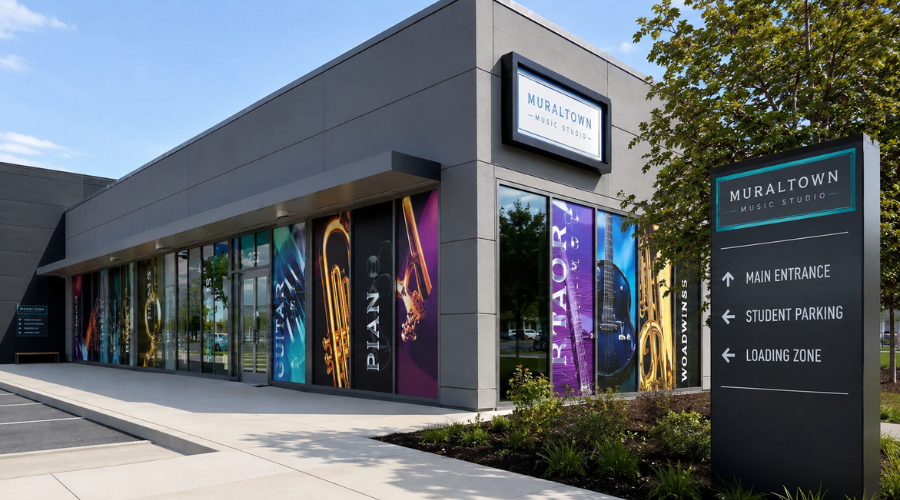
Environmental graphics are more than just decorative additions – they are vital communication tools. We use them to tell stories, guide people, reinforce brand identity, and create memorable experiences. Whether it’s large-scale wall wraps for campuses, branded window graphics at commercial properties, or contextual signage for city events, outdoor graphics are exposed to a variety of environmental factors. Our clients rely on us to inform them about the practical expectations for these installations so their messages remain effective over time. When businesses and public organizations choose the right type of environmental graphics, it ensures that wayfinding, promotional, or regulatory information stays clear and visually consistent, even as environmental conditions change.
Key Factors Impacting the Lifespan of Outdoor Graphics
Several factors determine how long outdoor graphics remain pristine and effective. The choice of substrate and print materials sets the baseline for durability. We guide you through options such as vinyl, aluminum composites, acrylics, and various protective laminates, each tailored to differing requirements for colorfastness, toughness, and resistance to environmental stressors. Of equal importance is the climate in which the graphics will be installed. Intense sun exposure, fluctuating temperatures, moisture, and pollution all play a role in wear and fading.
Outdoor Graphics Lifespan Guide: What You Need to Know about Materials and Durability
The foundation of outdoor graphics lifespan: material selection
Material choice is central to how well outdoor graphics withstand the elements. At Riot, we recommend substrates like high-performance cast vinyl for vehicle wraps or durable aluminum composites for rigid signage. Each material responds differently to UV radiation, moisture, and general wear. For example, cast vinyl maintains flexibility and vivid colors over extended periods, while certain rigid substrates offer excellent dimensional stability for larger installations. Our lamination options add a further shield against abrasion and sun damage. While choosing a more robust material may increase initial costs, it minimizes the chances of early replacement, making it a strategic investment for both businesses and public projects.
Application methods and their impact
How graphics are applied also plays a significant role in durability. We take care to use proper installation techniques, whether it involves capping the edges, securing seams, or applying heat to ensure strong adhesion. Incorrect installation can lead to premature lifting, bubbling, or edge failure, which in turn shortens the usable life of the display. Through years of hands-on experience, we’ve developed a set of best practices that address the specific demands of different surfaces and environments. When we handle installation, you gain the assurance that each step has been executed with on-site conditions and desired longevity in mind.
The influence of climate, UV exposure, and installation on environmental graphics longevity
Environmental conditions to consider
Location determines much about how long outdoor graphics will last. In humid or coastal environments, saltwater and sustained moisture can break down adhesives and inks faster than in arid regions. Meanwhile, high-altitude or southern exposures deal with intense sunlight, causing pigment fading or substrate warping if the right materials are not selected. Temperature swings – freeze/thaw cycles in colder climates, for instance – can also stress the adhesion and flexibility of materials. Because of these variables, we advise clients during site assessments about the smartest material and protection choices for their unique challenges.
- Direct sun and UV exposure can cause colors to fade and substrates to degrade.
- Humidity and rainfall may erode adhesives, especially on edges or seams.
- Airborne pollutants in urban areas can accumulate on surface, impacting aesthetics and legibility.
- Seasonal temperature extremes contribute to expansion, contraction, and possible failure at stress points.
- Physical contact (public interactions, accidental impact, or cleaning) can create wear spots if not anticipated in advance.
Site-specific installation best practices
Besides selecting the right base materials, adapting installation methods to the site is crucial. We consider wind loads, shade patterns, and mounting options to reduce risk of premature failure. For citywide wayfinding projects, for example, hardware and mounting must withstand both the elements and public activity. Calibration during installation for surface irregularities or unique architectural features further guards against early degradation, boosting overall ROI for your graphics program.
How to maximize the lifespan of outdoor graphics through care, maintenance, and upgrades
Routine maintenance for optimal performance
Once graphics are installed, consistent upkeep preserves both quality and functionality. We offer care recommendations tailored to each installation: gentle washing schedules, periodic checks for signs of wear, and timely repairs of small issues such as peeling corners or minor abrasions. When stakeholders stay proactive, many outdoor displays remain vibrant and effective far longer than standard manufacturer estimates indicate. Furthermore, integrating protective overlaminates and anti-graffiti coatings is one way to shield graphics from vandalism or accidental scuffs, especially in high-traffic public spaces.
Outdoor Graphics Lifespan Guide: Choosing the Right Partner for Graphic Production and Installation
Selecting the right team to produce and install your environmental graphics makes a measurable difference in how long those graphics perform in outdoor settings. At Riot, our approach is grounded in understanding your project goals, environmental challenges, and the practical needs of your space. By using specified materials and methods matched for durability, we work to ensure that every installation is customized to both your message and the conditions where it will be displayed.
Why Understanding Outdoor Graphic Lifespan Safeguards Your Brand Investment
Investing in environmental graphics is ultimately an investment in your brand’s visibility and identity. That investment should last: when outdoor graphics are exposed to varying sunlight, temperature swings, and repeated cleaning, their lifespan depends not just on material quality but also on proper planning. By reviewing the “Outdoor Graphics Lifespan Guide” and leveraging knowledgeable fabrication and installation partners, your project’s outcome improves – not only in initial impact but also in total cost of ownership over time.
Our expert team consistently monitors material performance and evolving industry standards, so we can advise you on practical decisions for managing graphic replacements or upgrades. We help you assess existing graphics before major wear or brand updates become urgent, so your public presence always reflects your standards.
Reliable Sources for Up-to-Date Information on Environmental Graphics Durability
To stay informed about best practices and expectations for outdoor graphic durability, it’s important to use trustworthy references. We recommend industry organizations such as the International Sign Association (ISA) and the Specialty Graphic Imaging Association (SGIA), along with manufacturer specifications from 3M, Avery Dennison, and Oracal. These resources release guides and case studies about weathering tests, UV resistance, and new technologies – making it easier to set informed expectations and plan for long-term performance.
For those interested in learning more about how we approach environmental graphics and material specification, our environmental capability page covers the range of solutions we deliver, always considering the environments they’ll inhabit.
By prioritizing clear communication and ongoing partnership, we aim to help you maximize your outdoor investment – whether through periodic maintenance, timely upgrades, or comprehensive planning from your first Outdoor Graphics Lifespan Guide consultation. Connect with us to talk through your goals and let’s determine the most effective strategies to maintain and extend your environment’s graphic presence.
FAQ
What factors most impact the longevity of outdoor graphics?
The primary factors affecting outdoor graphics’ lifespan are material quality, climate conditions, UV exposure, and proper installation. As a result, we always select premium materials and utilize proven installation methods to ensure durability. By considering these factors from the beginning, you can significantly extend your graphics’ lifetime.
How long do your outdoor graphics typically last?
Generally, our outdoor graphics last anywhere from three to seven years, depending on the chosen materials, exposure to sunlight, and weather conditions. However, with regular maintenance and occasional upgrades, we can help extend their effectiveness even further.
Which materials do you recommend for maximum durability?
We recommend high-quality vinyl, UV-resistant inks, and durable substrates like aluminum or dibond for maximum outdoor longevity. While each project is unique, using these robust materials allows us to deliver long-lasting environmental graphics that stand up to harsh conditions.
What is the impact of UV exposure on outdoor graphics?
Extended UV exposure can cause fading, cracking, and color degradation over time. That’s why we prioritize UV-resistant inks and laminates, ensuring your branding stays vibrant for as long as possible. Investing in UV protection helps preserve your graphics’ visual impact.
How does climate influence the lifespan of graphics?
Climate plays a crucial role; extreme heat, cold, moisture, and pollution can all stress outdoor graphics. To combat this, we assess your local environment and recommend the best materials and finishes, thus maximizing your graphics’ durability in any weather.
Can regular cleaning and maintenance extend graphic life?
Yes! By performing routine cleaning, inspecting for damage, and addressing minor issues promptly, we can significantly extend the life of your outdoor graphics. Providing care instructions is part of our service to help you maintain the integrity of your investment.
Are there specific industry standards you follow?
Absolutely. We adhere to industry-best practices and standards, such as those outlined by the International Sign Association and major manufacturers like 3M. This ensures our outdoor graphics meet rigorous requirements for quality and durability.
Will my graphics need to be updated or replaced often?
While some wear over time is expected, choosing the right materials and working with us minimizes the frequency of updates. However, branding changes or property renovations may require periodic upgrades. When redesigns are needed, our team makes the transition seamless.
What’s your process for guaranteeing long-lasting installation?
We use experienced installers, temperature-controlled environments, and precise techniques so your graphics adhere properly from day one. For every project, we conduct thorough site surveys and prep surfaces meticulously, ensuring optimal performance and longevity.
Where can I find more information about outdoor graphics durability?
For up-to-date insights, we recommend resources such as the International Sign Association, manufacturers like 3M and Avery Dennison, and trade publications on environmental graphics. Additionally, our team is always available to share studies and articles to keep you informed.